 Let’s talk about a fascinating financial revolution rocking the world — cryptocurrency. Whether you’ve heard buzzwords like Bitcoin, Ethereum, blockchain, or NFT, or wondering if crypto is just a passing fad or a game-changing asset, here’s the lowdown. This detailed guide is designed especially for beginners in India, covering everything from what cryptocurrency actually is, how it works, why it matters, its pros and cons, and how you can get started safely.
What is Cryptocurrency?
Put simply, cryptocurrency is a form of digital or virtual money that uses cryptography for security. Unlike traditional currencies issued by governments (like the Indian Rupee or US Dollar), cryptocurrencies operate on decentralized, peer-to-peer networks powered by blockchain technology.
Being digital and decentralized means cryptocurrencies are not controlled by any central authority like RBI or a bank. Instead, they rely on cryptographic algorithms and consensus mechanisms maintained by thousands of computers worldwide, making them transparent, secure, and immutable.
The Evolution and Rise of Cryptocurrency
The journey began in 2009 with the mysterious creation of **Bitcoin** by someone (or a group) using the pseudonym Satoshi Nakamoto. Bitcoin introduced blockchain — a distributed ledger ensuring every transaction is publicly recorded yet securely encrypted. Since then, thousands of alternative coins (**altcoins**) like Ethereum, Ripple, Cardano, and Dogecoin have emerged, each with unique purposes, from smart contracts to cross-border payments.
How Does Cryptocurrency Work? Understanding the Basics
Cryptocurrency transactions occur on a blockchain — think of it as a digital ledger or spreadsheet shared among a network of participants (nodes).
When you send Bitcoin, your transaction is bundled with others into a “block”.
This block is verified by miners through complex cryptographic puzzles (Proof of Work) or validators staking coins (Proof of Stake).
Upon consensus, the new block is added to the chain—creating a permanent, tamper-proof record.
Users store these coins in **digital wallets**, which have public addresses (like bank account numbers) and private keys (like passwords). Your private key must be kept secret, as it authorizes spending.
Why Cryptocurrency Matters in India
Despite regulatory uncertainties, India’s crypto adoption is booming. Recent reports estimate over 30 million crypto users in India, driven by:
**Digital economy growth:** Increasing smartphone and internet penetration.
**Financial inclusion:** Opportunity for unbanked or underbanked populations.
**Remittances facilitation:** Faster, lower-cost cross-border payments.
**Investor interest:** High returns on new tokens and rising global acceptance.
The Indian government’s evolving stance—from initial bans to proposed crypto regulation—signals cautious interest. Forward-thinking traders and investors are educating themselves to ride the crypto wave responsibly.
Types of Cryptocurrencies
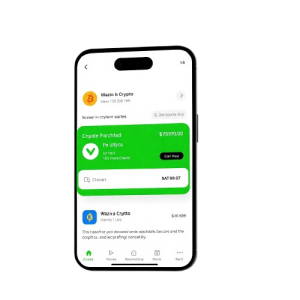
Cryptos generally fall under these categories:
**Bitcoin (BTC):** The original and most valuable crypto, mainly a store of value.
**Altcoins:** Alternative coins like Ethereum (ETH) for programmable smart contracts, Ripple (XRP) for banking transfers, and newer DeFi coins representing decentralized finance.
**Stablecoins:** Pegged to fiat money (e.g., USDT) to reduce volatility and used widely in crypto trading.
**Tokens:** Cryptos built on existing blockchains (like ERC-20 tokens on Ethereum), representing assets or utilities in decentralized apps.
Benefits of Cryptocurrencies
**Decentralization:** Removes the need for intermediaries, empowering users.
**Transparency:** Transactions are recorded on public ledgers visible to all users.
**Accessibility:** Crypto wallets enable anyone with internet access to buy, sell, and store value.
**Security:** Advanced cryptography safeguards transactions and funds.
**Innovation:** Enables programmable money through smart contracts with no middleman.
Drawbacks and Risks
**Volatility:** Prices swing dramatically—sometimes 10%+ movements in a day.
**Regulatory uncertainty:** Indian policies are evolving; sudden changes might impact markets.
**Security risks:** Loss of private keys or hacking can mean permanent loss of funds.
**Scams and frauds:** Ponzi schemes and fake ICOs have affected many beginners.
**Limited merchant acceptance:** Still early for daily use compared to fiat.
 How to Get Started with Cryptocurrency in India
 How to Get Started with Cryptocurrency in India
Step 1: Learn and Research
Understand blockchain, crypto fundamentals, and risks. Use trusted sources and avoid hype or FOMO.
Step 2: Choose a Reputable Crypto Exchange
Popular Indian exchanges include WazirX, CoinDCX, and ZebPay, offering easy KYC and multiple cryptocurrencies.
Step 3: Complete KYC and Deposit INR
Regulatory-compliant platforms require identity verification and fund deposits. Start small.
Step 4: Buy Your First Cryptocurrency
Use the app interface to purchase coins like Bitcoin or Ethereum.
Step 5: Store Securely
Use hardware wallets or trusted mobile wallets; never share private keys.
Step 6: Monitor and Learn
Track prices, news, and adopt risk management principles. Consider diversification.
 Real-Life Example: How Rajesh Entered Crypto Trading
 Real-Life Example: How Rajesh Entered Crypto Trading
Rajesh, an IT professional from Bangalore, started with Bitcoin after reading about blockchain innovation. He began with a ₹10,000 investment on WazirX, studied charts and news daily, and diversified into Ethereum and stablecoins later. Though facing volatility, his research and cautious trades led to steady portfolio growth.
Cryptocurrency Use Cases Beyond Trading
Remittances:- Fast international money transfers.
Decentralized Finance (DeFi):-Lending, borrowing, and yield farming without banks.
Non-Fungible Tokens (NFTs):- Digital collectibles and art powered by crypto.
Smart contracts:-Automated contractual agreements.
Gaming & Metaverse:- New virtual economies using crypto assets.
 Frequently Asked Questions (FAQs)
 Frequently Asked Questions (FAQs)
Is cryptocurrency legal in India
Crypto is legal but unregulated as of now; trading is allowed with tax obligations.
What crypto can I buy in India
Popular ones include Bitcoin, Ethereum, Ripple, and stablecoins like USDT.
How do I keep my crypto safe
Use hardware wallets or trusted apps and never share private keys.
Are cryptocurrency investments safe
High risk due to volatility and scams; always invest cautiously.
Can I use crypto for payments
Limited merchant adoption currently but growing in niches.
What taxes apply on crypto gains
India levies a 30% tax on crypto gains with no deductions.
Can I lose all my money in crypto
Yes, due to fraud, hacking, or market crashes—risk awareness is vital.
What is a wallet address
A public key where you receive crypto, like your bank account number.
Are stablecoins better for beginners
Stablecoins reduce volatility risk but don’t offer high returns.
How do I start trading crypto
Pick a reputed exchange, complete KYC, deposit INR, and buy crypto.
 Call to Action
 Call to Action
Ready to explore the world of cryptocurrency with confidence? Connect with **Vishweshvarran** for personalized crypto guidance tailored to Indian markets. Call or WhatsApp **7658913246** or visit **zen9zone.in** to start your crypto journey smartly and securely.
Professional Insurance & Investment Solutions
Secure your future with expert financial guidance tailored to your life, family, or business goals.
Comprehensive Services:
Life, Health, Motor, Asset, Property & Factory Insurance
Personal & Business Loans · Credit Card Solutions · Wealth Planning & Investment Advisory
Why Choose Us?
Personalized coverage · Transparent advice · Hassle-free support · Protection that grows with your goals
Let’s build a safer, more prosperous tomorrow—together.
Call 7658913246, Email [email protected], or WhatsApp us anytime for clear, personalized financial guidance. We’re here to help you make confident, informed decisions.